
Start with the first week
A baby-product listing is not a finished answer. It is a source you need to interrogate. The useful work happens between the headline and the moment the product enters your home: the fit check, the compatibility question, the cleaning routine, the storage decision, the return path, and the point at which a claim still needs proof.
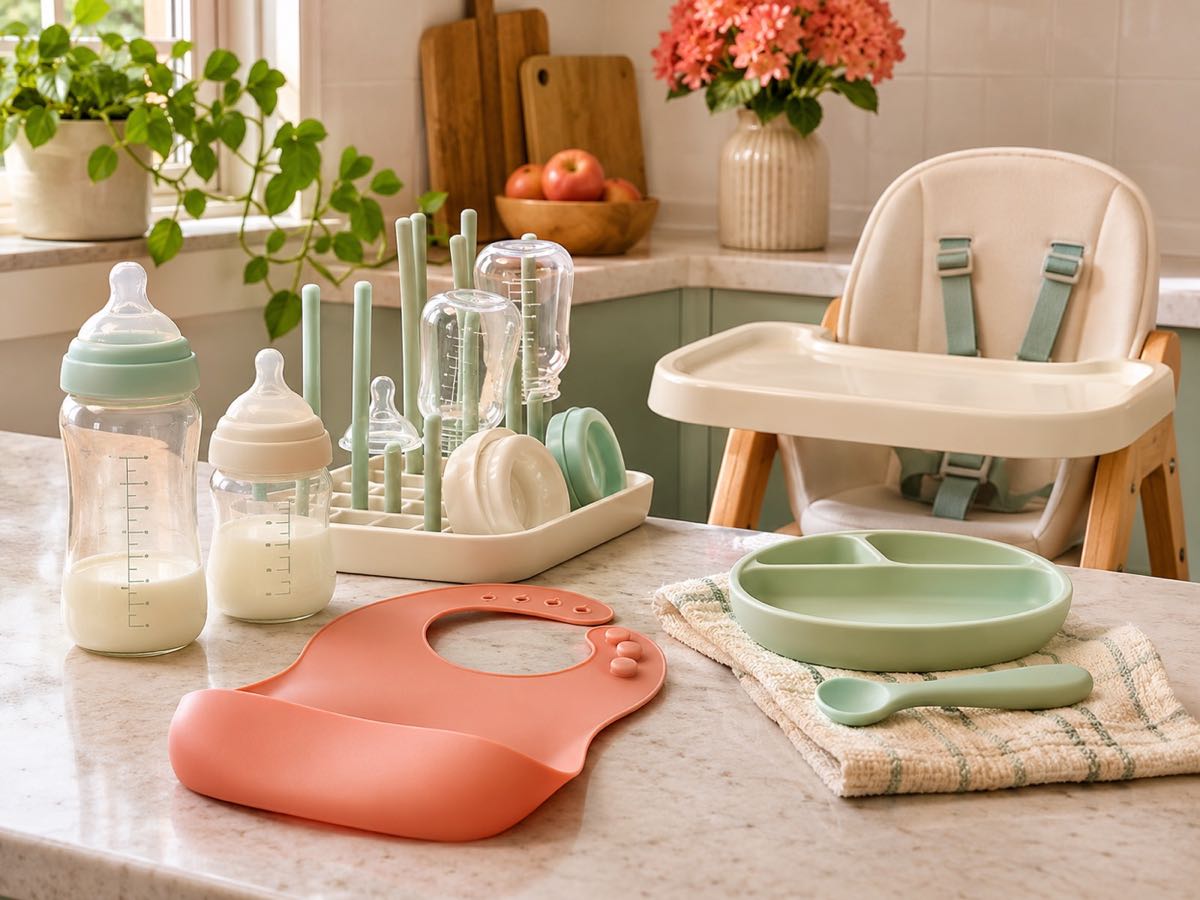
Start by naming the moment you are trying to improve. Is the problem a difficult handoff, a cramped vehicle, a bottle-washing bottleneck, a room that changes temperature, a travel transition, or a fear created by vague safety language? The answer keeps the product comparison from expanding into a shopping list.
Read every label as a prompt for a check. “Easy,” “safe,” “grows with,” “travel,” and “newborn” are not complete specifications. Find the age, weight, height, dimensions, materials, installation method, cleaning directions, replacement path, and the official instructions that explain how the feature is supposed to work.
A product can be well made and still be the wrong fit. The right decision depends on the people, places, surfaces, and transitions around it. A compact stroller may be easier to carry but less comfortable for a long day. A bottle with more parts may solve one feeding issue while creating a washing problem. A sleep product may create a useful cue while still requiring careful attention to official safe-sleep guidance.
When information is missing, do not fill the gap with optimism. Write the question down. Check the manufacturer page, the manual, the retailer’s return terms, and current safety or regulatory guidance. If the answer still cannot be verified, treat that uncertainty as part of the decision.
Affiliate recommendations should remain candidates until the current listing, variant, price, stock, and tracking link have been checked. This site does not process orders or guarantee a result. The value of a card is that it gives you a specific object to compare, not permission to skip the comparison.
Separate function from identity
Use a simple three-line record: what must be true, what can be flexible, and what would make the product a no. This makes the decision more reversible and reduces the chance that polished photography will decide for you.
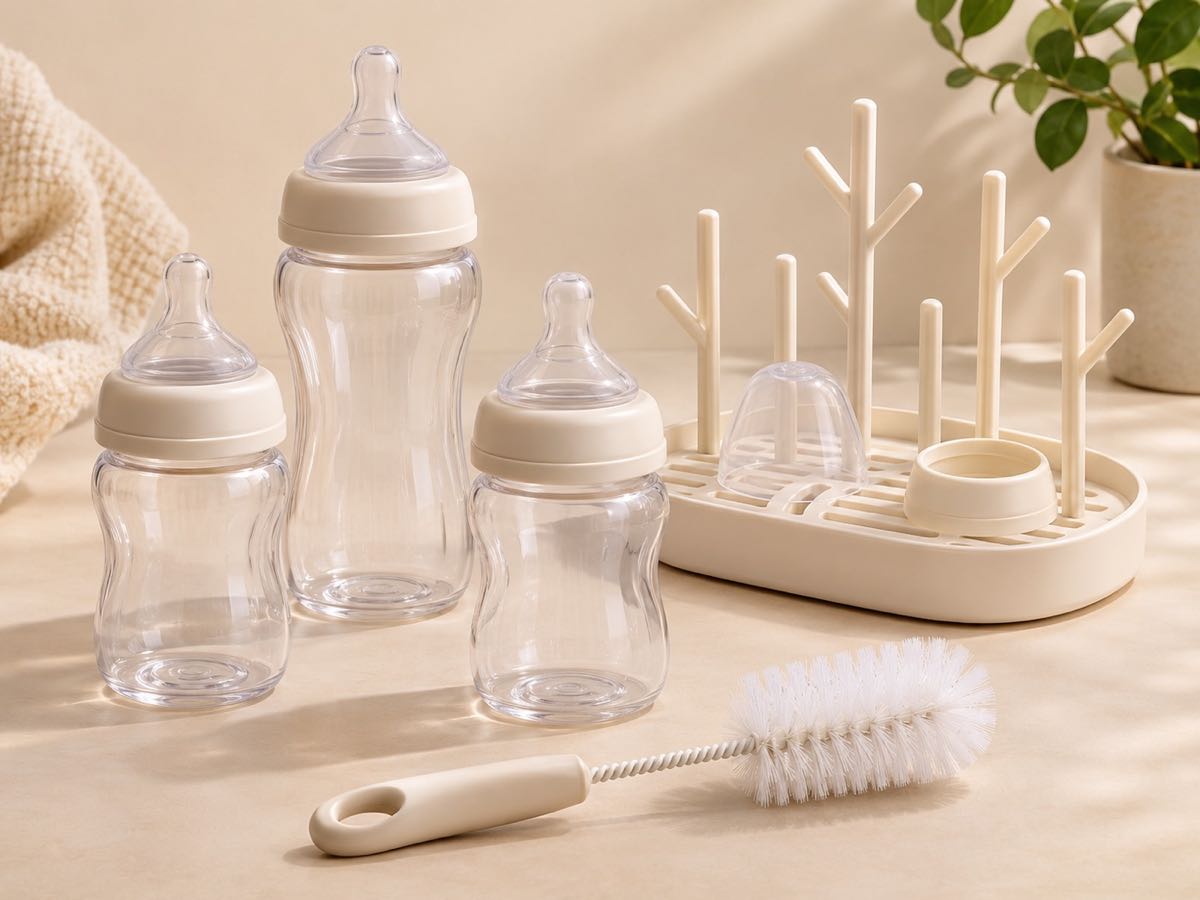
After the first week, review the routine rather than the brand. What takes longer than expected? What gets left out? What needs one-handed access? What is difficult to clean? Those observations are more useful for the next purchase than a generic ranking.
If the question touches health, development, injury risk, or a current safety concern, use the relevant official source and ask a qualified professional. Editorial guidance can organize questions; it cannot replace care.
A useful listing also gives you a way to identify the exact product. Record the model name, model number, generation, color or size, and the date you checked it. Baby products often have near-identical names with different limits or parts.
Compare the object to the space it will occupy. Measure a doorway, trunk, cabinet, counter, sleep surface, or wash area before the product arrives. A small measurement can prevent a large return.
The cost of ownership includes replacement parts, cleaning time, batteries, storage, laundry, and the mental work of remembering what goes where. A product that saves one task but creates four new ones may not be the calmer choice.
Build around the bottleneck
Read reviews for patterns rather than votes. Look for repeated details about fit, cleaning, instructions, access, missing parts, and support. Treat isolated praise or alarm as a prompt to investigate, not as proof.
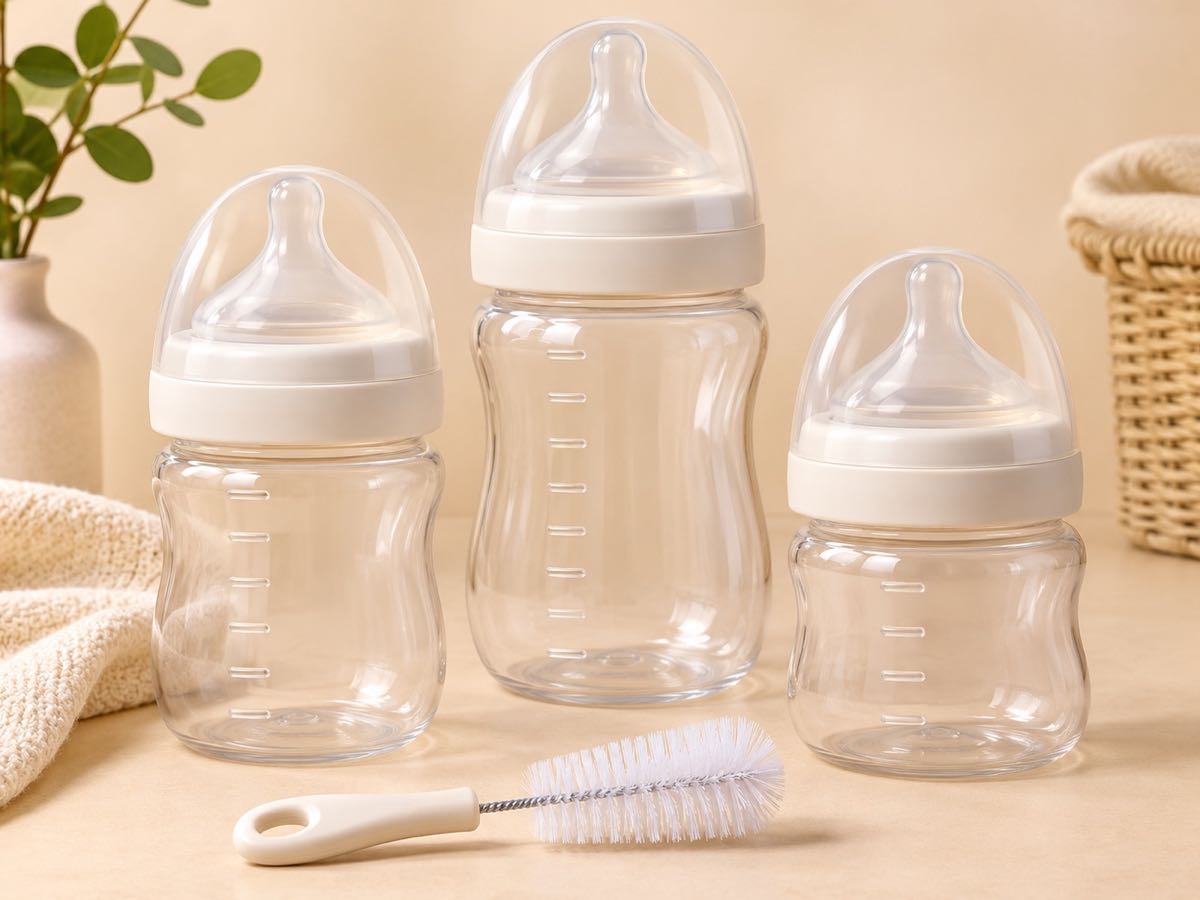
A return policy is part of the product decision. Check whether the item can be returned after opening, whether a vehicle or body-contact product has special restrictions, and who pays for return shipping.
Sometimes the right choice is to wait. If the listing omits a detail that controls safety, compatibility, or fit, waiting for an answer is a real decision, not a failure to shop.
After the first use, write down what changed in the routine. Did the object make the handoff shorter, the cleanup clearer, the room calmer, or the travel bag smaller? Use that observation to decide whether another product is needed.
Keep an evidence note with the official manual, current retailer page, and the date checked. This protects you from stale screenshots, changed variants, and memory that becomes more confident than the source.
Families vary in space, support, budget, mobility, feeding, sleep, and comfort. A careful guide should help you make a decision without treating another family’s solution as a rule for yours.
Buy the replacement path
First-party information deserves a different reading speed from a retailer summary. The manual may be less persuasive, but it usually explains the actual setup, warnings, limits, cleaning process, and parts that the listing compresses into a few bullets. Keep both sources, and note where they disagree.
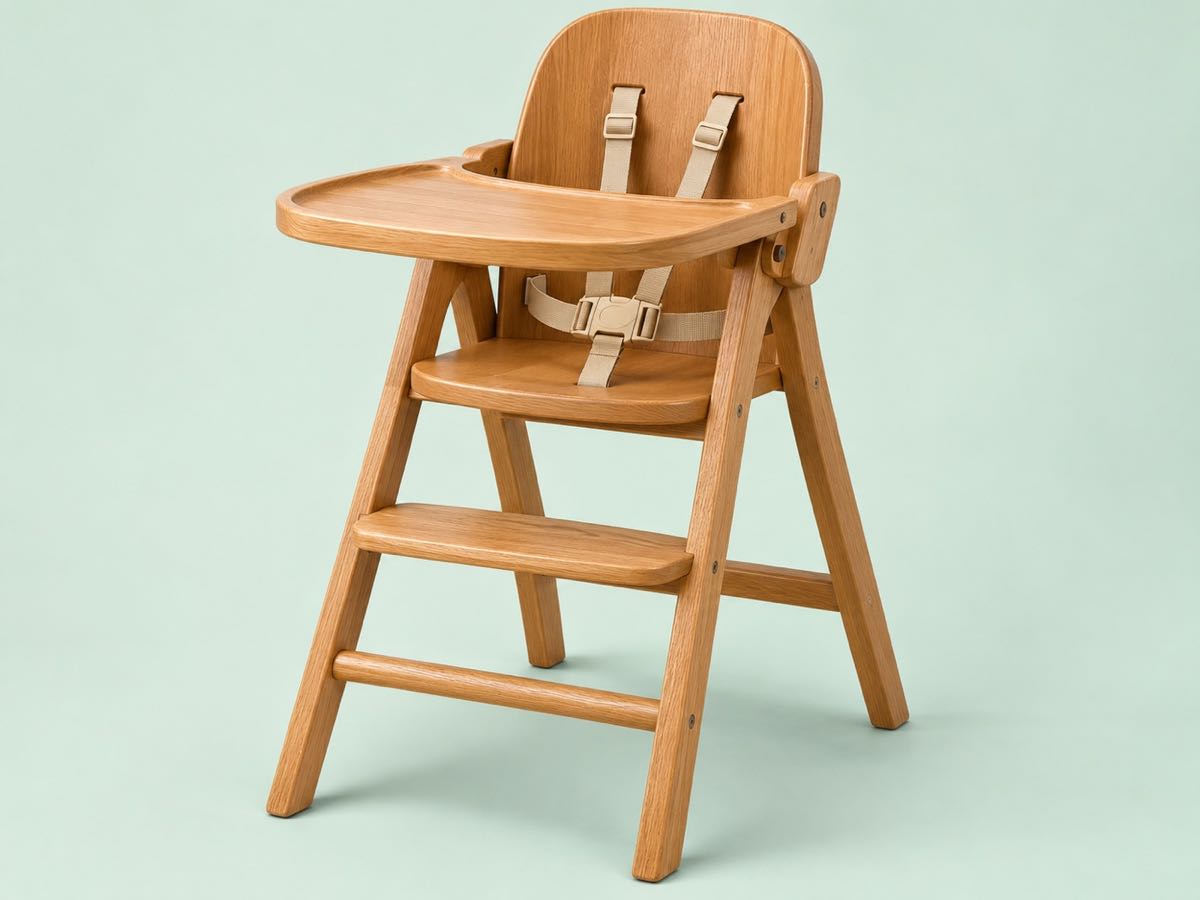
Images are useful for identifying shapes and access points, not for proving fit or certification. A photograph cannot tell you whether a car seat works in your vehicle, whether a carrier is positioned correctly, or whether a sleep setup follows current guidance. Use the image to form a question, then verify the answer elsewhere.
Dimensions should be read as a system. A folded stroller measurement may exclude a handle, a bottle may require a specific nipple size, and a gate may need a particular wall shape. Save the exact diagram or manual page that controls the measurement instead of relying on the retailer’s short summary.
A changing product page can quietly change the decision. Variants may share a family name while differing in included parts, fabric, age range, or installation method. Record the exact variant and check the page again near purchase, especially when a card links to a broad search destination.
Prices and availability are moving facts. They should never be used as permanent evidence of value, and a discount should not become the reason to ignore fit, cleaning, safety, or return constraints. A cheaper wrong product still creates the same ownership problem.
The best comparison table is small enough to use. Keep the columns tied to the decision: exact model, key limit, space needed, cleaning path, replacement path, return condition, and unresolved question. More rows can look thorough while making the decisive difference harder to see.
Use the home you already have
Accessibility belongs in the product decision. Check whether instructions are readable, controls are operable with one hand, storage can be reached without lifting, and the routine still works for the caregiver who will perform it most often. A product is not a fit if its daily use is inaccessible.
A backup plan does not have to mean buying two of everything. It can be a clear handoff, a washable spare, a simpler temporary option, or a decision to delay a purchase until the missing fact is known. The right backup reduces pressure without creating more storage.
When owners describe a product, separate the pattern from the explanation. Several people may report difficult cleaning, but that does not prove why it happens or whether the same issue will appear in your home. Use recurring reports to decide what to inspect, not to borrow someone else’s certainty.
A review date keeps an evergreen guide honest. Recheck the manufacturer page, official guidance, and retailer route before publication and again when a major variant, recall, or policy change appears. Static content can still carry a visible date and a clear verification boundary.
If a card uses an affiliate destination, the editorial responsibility becomes more important, not less. The reader should know that a click may support the site, that the link can change, and that the recommendation is not a promise of fit, safety, price, or outcome.
A smaller decision is often the more professional one. If the evidence supports one next check and leaves three questions open, say so. Clear uncertainty helps a family choose deliberately and gives the site a reason to update the page when new evidence arrives.
Productos para comparar
These cards are included for comparison, not as universal recommendations. Confirm the current linked model, variant, price, stock, and return terms.
OPCIÓN DE COMPARACIÓNStokke Tripp Trapp high chair
Opción para comparar el ajuste, el uso y el mantenimiento. Antes de comprar, confirma la ficha actual, la variante exacta, el rango de edad, el ajuste, la limpieza y las condiciones de devolución.
Imagen ilustrativa; comprueba el modelo exacto en la página del vendedor o del fabricante.OPCIÓN DE COMPARACIÓNDr. Brown’s Options+ bottle
Opción para comparar el ajuste, el uso y el mantenimiento. Antes de comprar, confirma la ficha actual, la variante exacta, el rango de edad, el ajuste, la limpieza y las condiciones de devolución.
Imagen ilustrativa; comprueba el modelo exacto en la página del vendedor o del fabricante.OPCIÓN DE COMPARACIÓNMunchkin Latch bottle set
Opción para comparar el ajuste, el uso y el mantenimiento. Antes de comprar, confirma la ficha actual, la variante exacta, el rango de edad, el ajuste, la limpieza y las condiciones de devolución.
Imagen ilustrativa; comprueba el modelo exacto en la página del vendedor o del fabricante.Preguntas frecuentes
¿Es una recomendación universal?
No. Cada producto es una opción para comparar. El ajuste depende del bebé, la persona cuidadora, el espacio, el vehículo, la rutina y las instrucciones actuales.
¿Qué debo verificar primero?
Empieza por el dato que puede cambiar la compra: modelo exacto, límites, medidas, compatibilidad, instalación, limpieza o devoluciones.
¿Baby Routine Lab prueba personalmente todos los productos?
No. Si una página no documenta pruebas directas, trátala como orientación basada en fichas y fuentes, no como experiencia personal.
¿Un precio más alto significa un mejor ajuste?
No necesariamente. Un precio mayor no elimina la necesidad de comprobar ajuste, trabajo diario, compatibilidad y devoluciones.
¿Puedo usar esto como consejo médico?
No. Las dudas de salud, desarrollo, lesiones o seguridad deben revisarse con profesionales cualificados y fuentes oficiales actuales.
¿Pueden cambiar los datos de una ficha?
Sí. Pueden cambiar los modelos, variantes, precios, existencias, piezas incluidas y páginas de los vendedores. Comprueba la ficha actual.
¿Qué hago si no está claro el modelo exacto?
Detén la comparación. Anota el número de modelo o la variante y confírmalo en las páginas del fabricante y del vendedor.
¿Cómo funcionan los enlaces de afiliado?
Algunos enlaces pueden ayudar a financiar el sitio. La relación no garantiza un producto, precio, resultado ni preferencia editorial.
¿Qué debo revisar antes de comprar?
Confirma modelo, límites de edad o peso, medidas, instrucciones, limpieza, repuestos, devoluciones y detalles de entrega.
¿Qué pasa si cambia nuestra rutina?
Vuelve a revisar la decisión. Un producto adecuado para una etapa, habitación o transición puede no servir para la siguiente.
Fuentes y comprobaciones útiles
Use the manufacturer’s current instructions, relevant official safety guidance, and the retailer’s live product identity as the final verification layer. Product availability, price, and variant information can change.